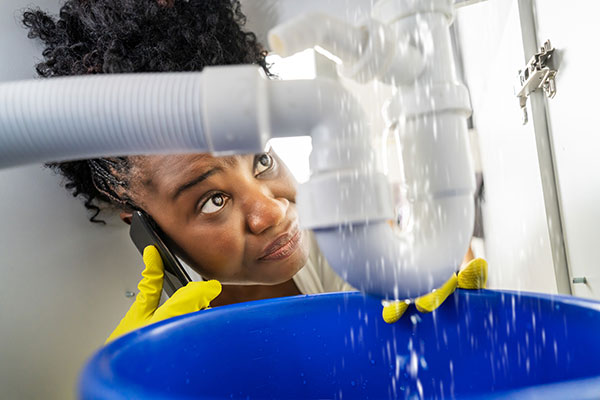
When you turn on the tap at home, you expect a steady stream of water that quickly meets your needs. Water pressure that is too high or too low does not just create frustration; it can reveal underlying plumbing issues that need immediate attention. In residential neighborhoods, especially those with a variety of older and newer homes, water pressure commonly serves as a silent diagnostic clue regarding the integrity and health of your piping system.
What Is Ideal Water Pressure in Your Home?
Most modern homes are designed for water pressure in the range of 40 to 60 psi (pounds per square inch). If pressure falls below 40 psi, showers begin to feel weak and appliances like dishwashers or washing machines may not function efficiently. Surpassing 60 psi can lead to stresses that weaken pipe joints and seals or create unneeded wear and tear on plumbing fixtures.
Consistent pressure within this recommended range offers:
-
Optimal performance of fixtures and appliances
-
Reduced risk of leaks caused by over-pressurization
-
Improved energy and water efficiency
Homeowners sometimes first notice pressure changes during routine activities such as taking showers or watering the lawn, and these observations can be critical for early problem detection.
Recognizing Signs of Water Pressure Problems
There are several telltale symptoms of water pressure problems that are commonly reported:
-
A noticeable drop in flow when multiple fixtures are running
-
Water that spits or splutters from faucets
-
Unusually noisy pipes that bang or vibrate
These signs are often more pronounced after severe storms, during hot Tulsa summers when water demand spikes, or in homes where the plumbing system has seen decades of use.
How Age and Condition of Pipes Impact Pressure
The age, material, and maintenance history of your plumbing are vital factors influencing water pressure. For example, many neighborhoods developed before the 1970s may have galvanized steel or lead piping, both prone to corrosion and accumulation of mineral deposits. Such internal buildup narrows the pipe diameter and restricts water flow, reducing pressure at taps. Pipe leaks, common in shifting Oklahoma soil, not only reduce delivery to fixtures but also signal the need for an immediate plumbing repair. Even relatively new homes can experience blockages from sediment or debris entering the system, particularly if water mains are disturbed during nearby construction.
Diagnosing and Fixing Water Pressure Issues
Professional plumbers utilize specialized tools and step-by-step processes for pressure diagnosis:
-
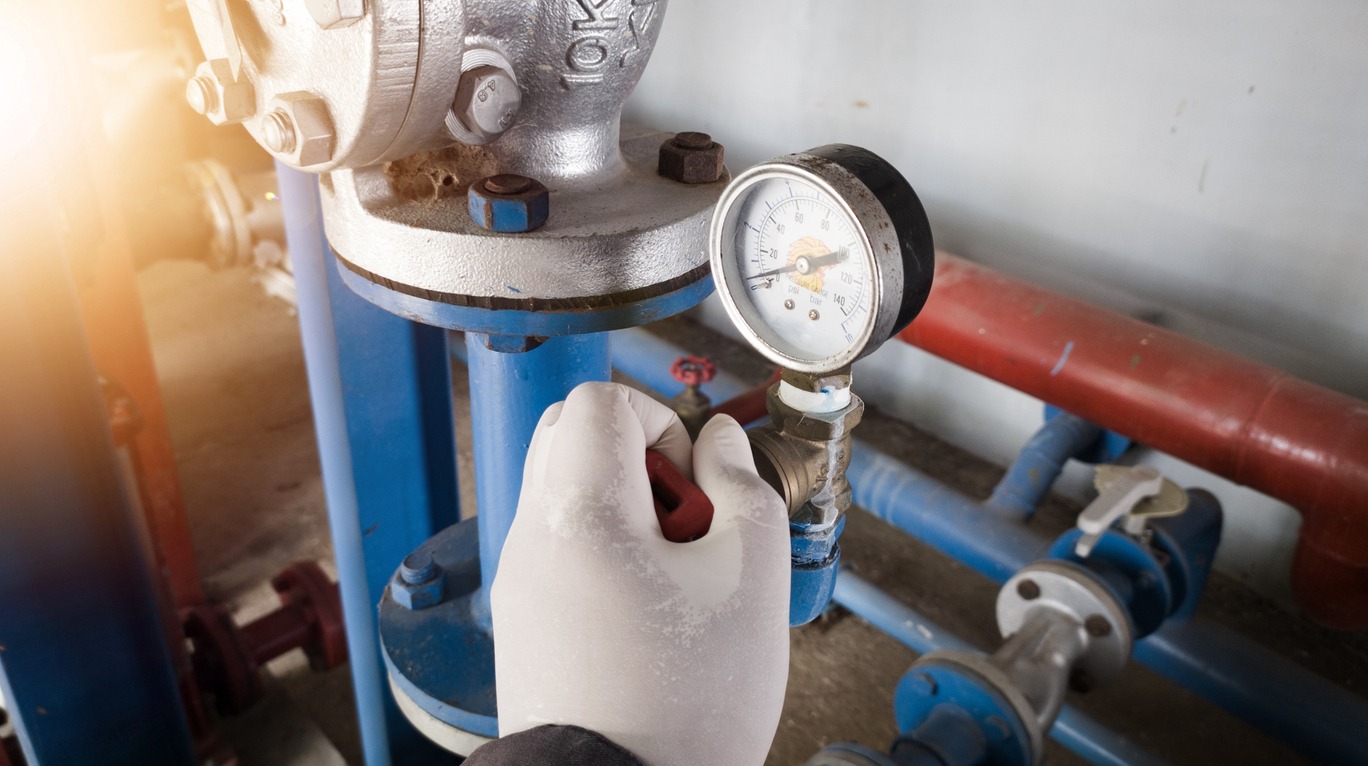
Pressure gauges quickly provide accurate readings at various locations in the home.
-
Video cameras are used to inspect for blockages, corrosion, or hidden leaking joints.
-
Isolation testing pinpoints if an issue is localized to certain fixtures or system-wide.
Once the problem is identified, local plumbers will recommend tailored solutions such as full or partial pipe replacement, targeted leak detection and repair, or installation of a water pressure regulator. In some cases, especially during seasonal droughts in Tulsa, municipal supply changes can also impact your home’s pressure, making local plumbing knowledge especially beneficial.
Trust King Plumber LLC for Water Pressure Solutions in Tulsa, OK
If you live in Tulsa, Oklahoma and are noticing signs of water pressure trouble or suspect your pipes may be aging, King Plumber LLC is ready to help. Our licensed professionals are trained in comprehensive leak detection and repairs, pressure regulation, and system upgrades designed specifically for our region’s homes. Call (918) 946-1955 or fill out the online form to schedule your water pressure assessment and ensure your home’s plumbing is in peak condition.